







ISU Demographics & Diversity
- 7/10 Overall Rating
- 4 Year
- Ames, IA
-
4.0 4 reviews
Racial Demographics & Diversity
Racial Diversity
Racial Diversity
LowRacial Diversity Index: 36%
Racial diversity is the chance that two students chosen at random are from different racial or ethnic groups, using the U.S. Census Bureau Diversity Index. Students at ISU are mostly White with a small Foreign Resident population. The school has low racial diversity. 24% percent of students are minorities or people of color (BIPOC). The ethnic breakdown is detailed in the following table.
Gender Demographics & Diversity
Gender Diversity
Gender Diversity
Very HighGender Diversity Index: 50%
There are 19% more male students than female students enrolled at Iowa State University with a gender ratio of 54% men to 46% women. Compared to the US average of 56% female students, ISU has a higher gender diversity than other US colleges and is very inclusive of both genders.
Geographic Diversity
Geographic Diversity
Geographic Diversity
LowGeographic Diversity Index: 46%
ISU draws 54 percent of students from Iowa, 43 percent from other states, and 3 percent from other countries. Geographic diversity is the share of students from outside Iowa, including other U.S. states and other countries.
Economic Diversity
Median Household Income
Median Household Income
$61,269 per year18% of students can be considered low-income as indicated by their receipt of Federal Pell Grant Aid.
Total Enrollment
Total Enrollment
Total enrollment
30,380Other Colleges to Consider
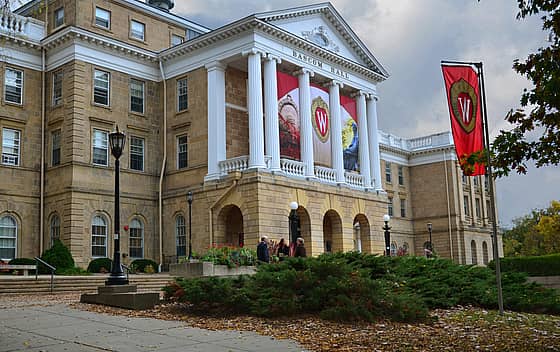
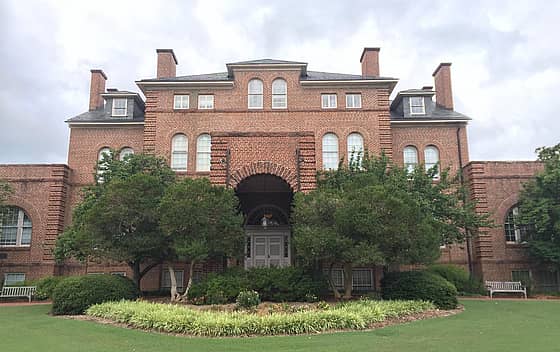
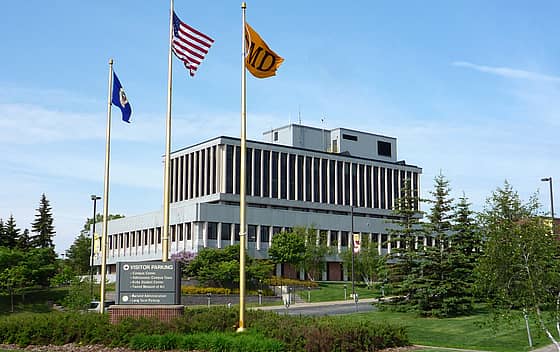
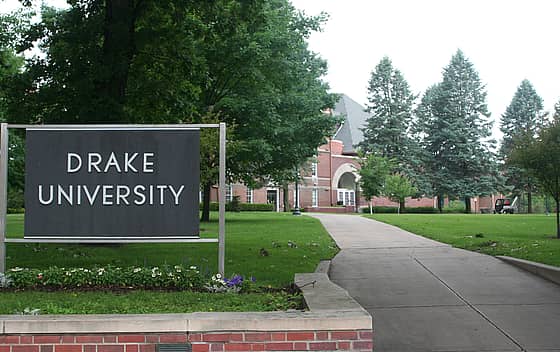
Students applying to Iowa State University often consider these colleges
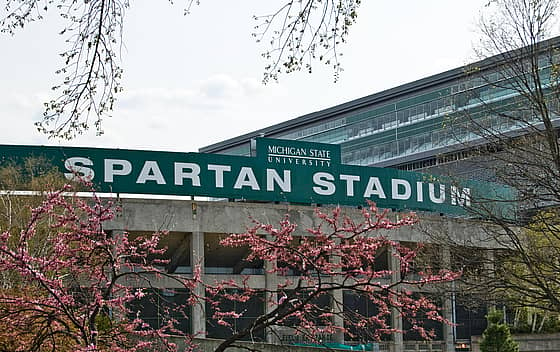
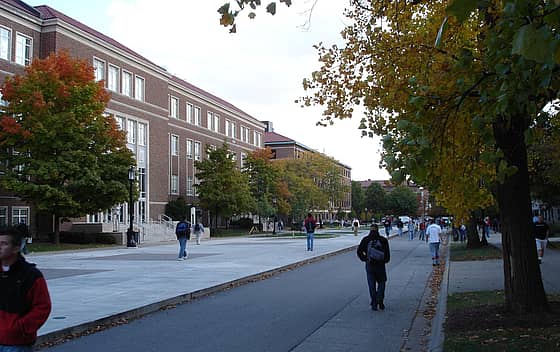
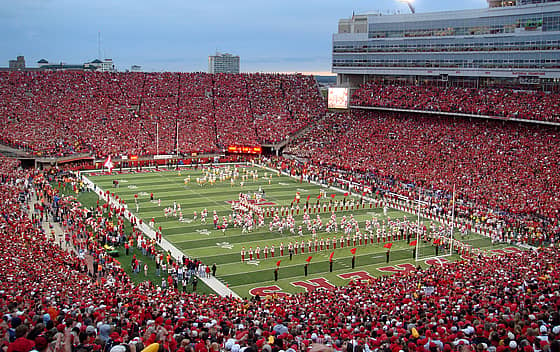





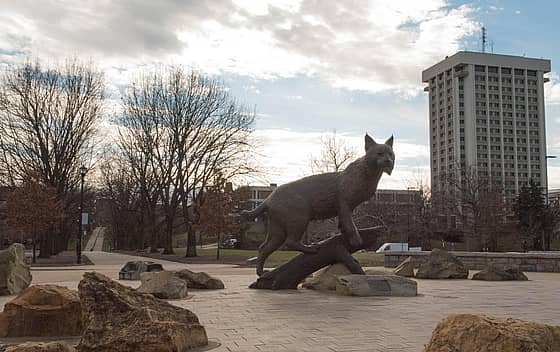
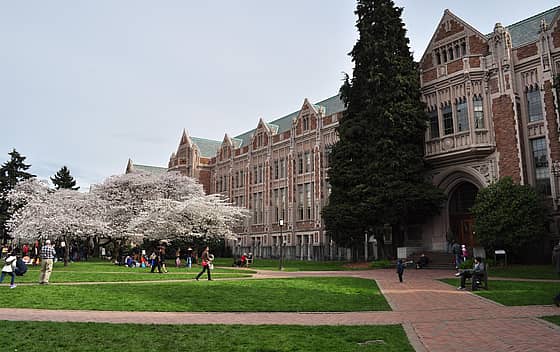
Data source: NCES / IPEDS https://nces.ed.gov/collegenavigator/?id=153603.
Racial and gender diversity ratings use the U.S. Census Bureau Diversity Index (Gini-Simpson): the probability that two students chosen at random belong to different groups. See the Census method note, Measuring Racial and Ethnic Diversity for the 2020 Census. Geographic diversity is the share of students from outside the college's home state (other U.S. states plus international). IPEDS does not publish enrollment by individual state of residence.
Last updated: August 2026